
- You are here:
-
Home

- Guide
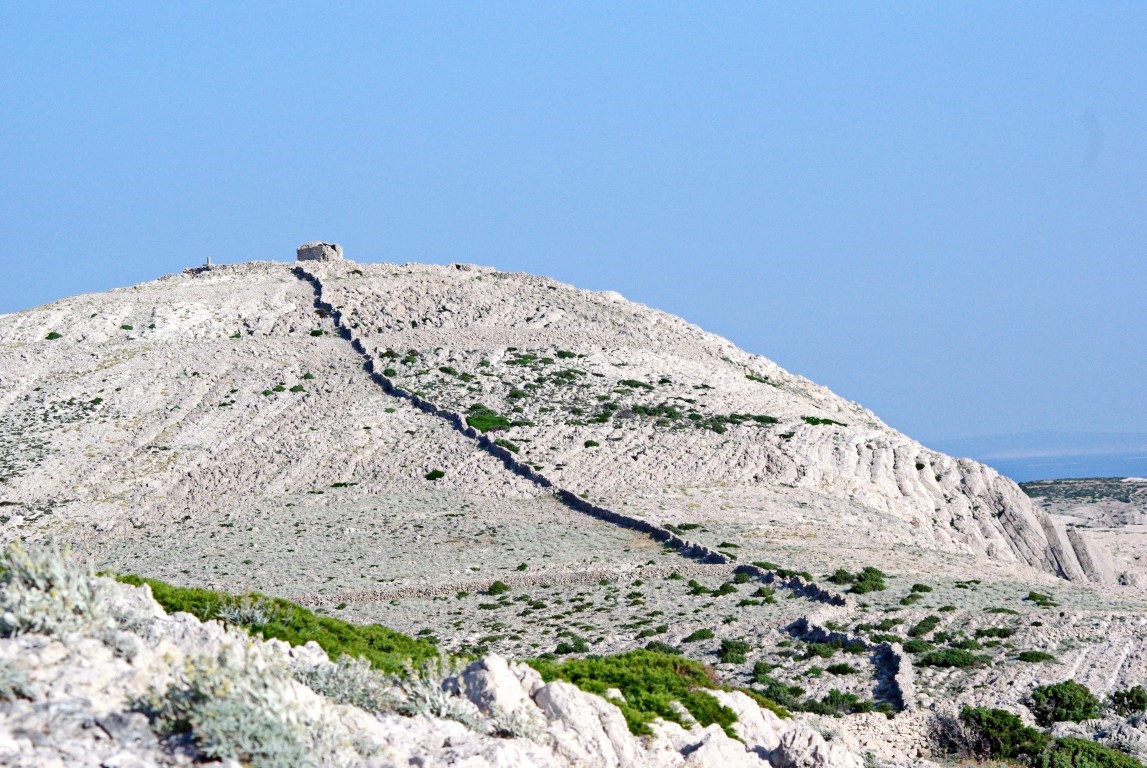
Sveti Vid (St. Vitus) is the highest peak on the island of Pag, 348 m above sea level. The small Church of St. Vitus was built there in the 14th century.
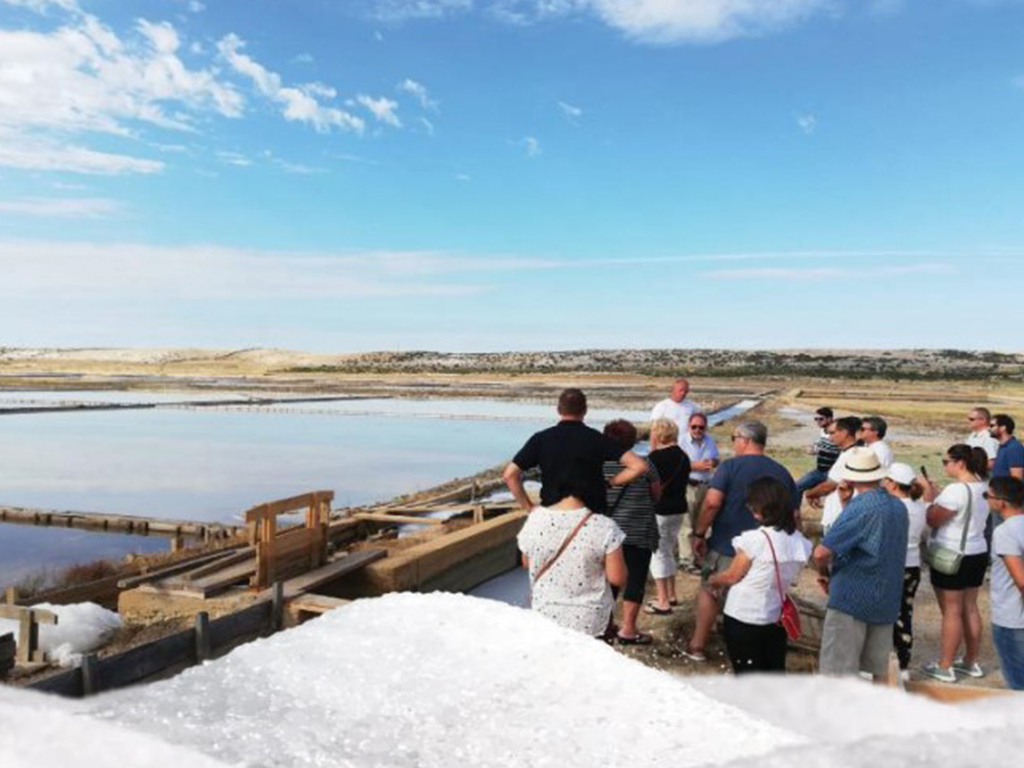
Solana Pag od 01.06. za sve zainteresirane nudi edukativne radionice na otvorenom. Na radionicama možete saznati o povijesti Solane, načinu proizvodnje soli, nekada i danas, te o sastavu, kvaliteti i važnosti soli. Prilikom radionica se nudi uz kompetentno vodstvo razgled bazena, pratećih zapornica i kanala.
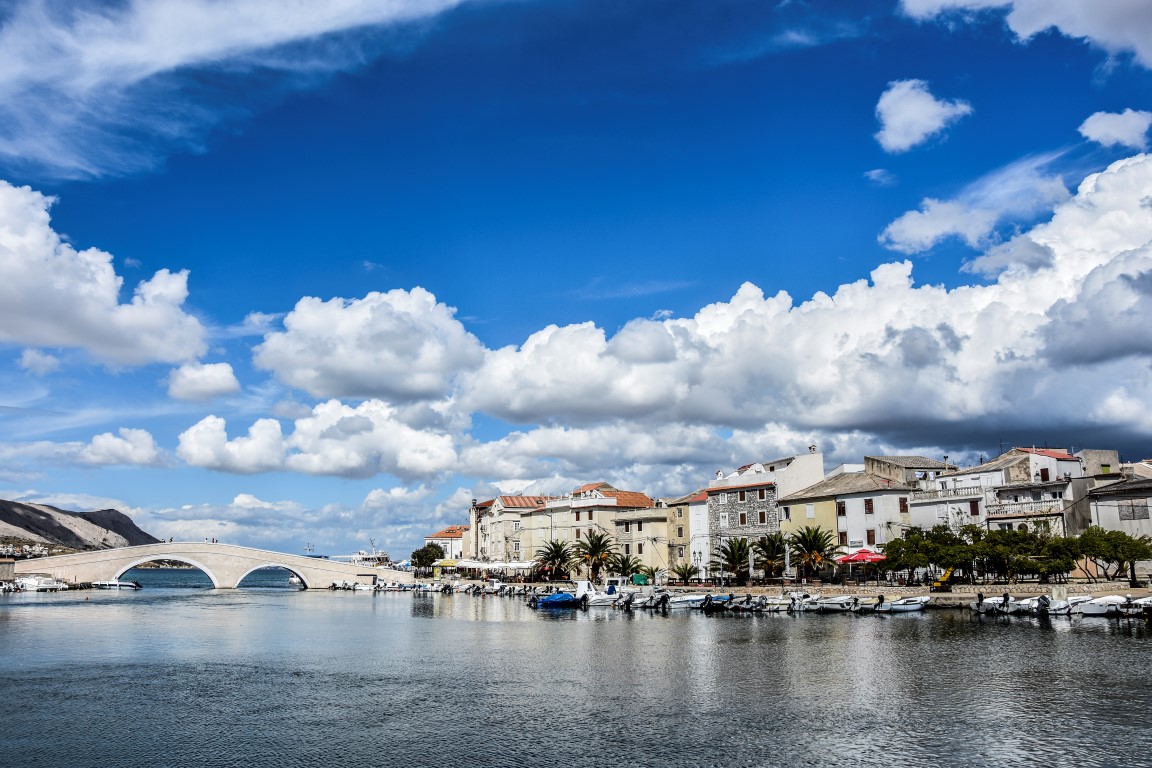
A new bridge that connects the new town of Pag with Prosika replaced the early 20th century concrete bridge. The bridge is a somewhat altered replica of an old Venetian bridge built in 1737 based on the design by renowned Venetian architect Giambattista Lodoli.

Izlet započinje u 12:00h s Noa Beach cluba na popularnoj plaži Zrće. Za vrijeme izleta, posada poslužuje gostima obrok i za to vrijeme gosti imaju na raspolaganju neograničenu konzumaciju pića. Trajanje vožnje do prvog stajanje je otprilike sat vremena i dolazi se do stijena u paškim vratima na koju se pristaje.

A list of Croatia's licensed tour guides for the town and island of Pag (Zadar County).
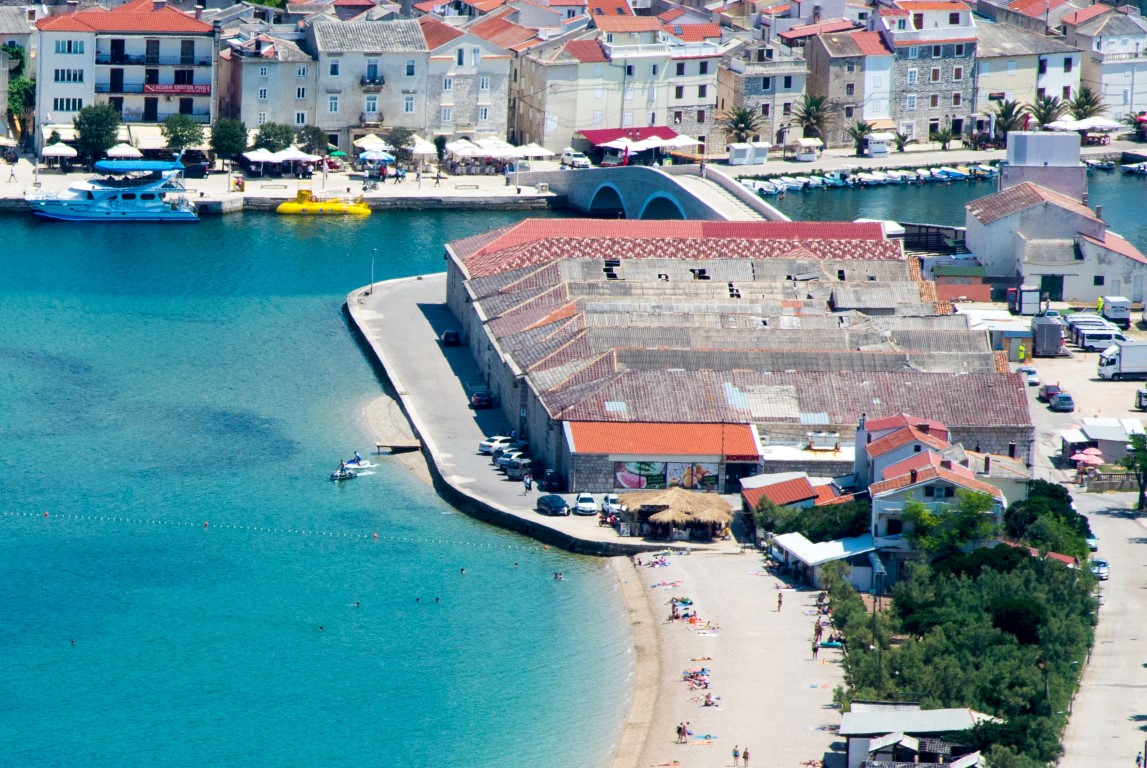
The salt warehouses are structures in the monument category, situated opposite the town core at Prosika. They testify to utilitarian architecture of past times and the importance of salt production to Pag’s natives. The first three warehouses were built in the 17th century, while the other six were constructed during the second Austrian administration.