
- You are here:
-
Home

- Guide
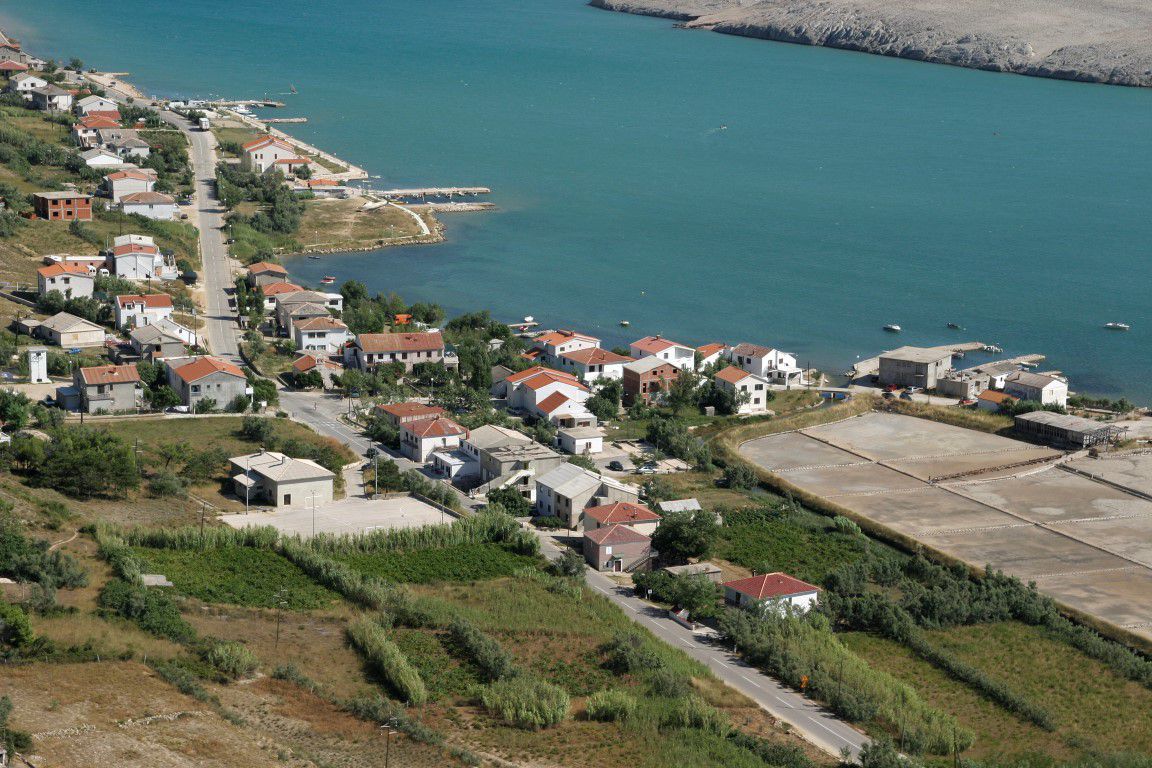
A picturesque village on the southern side of the island of Pag, in a pristine, shallow cove with numerous secluded beaches. A former salt pan, built under French rule, can be seen in the cove.
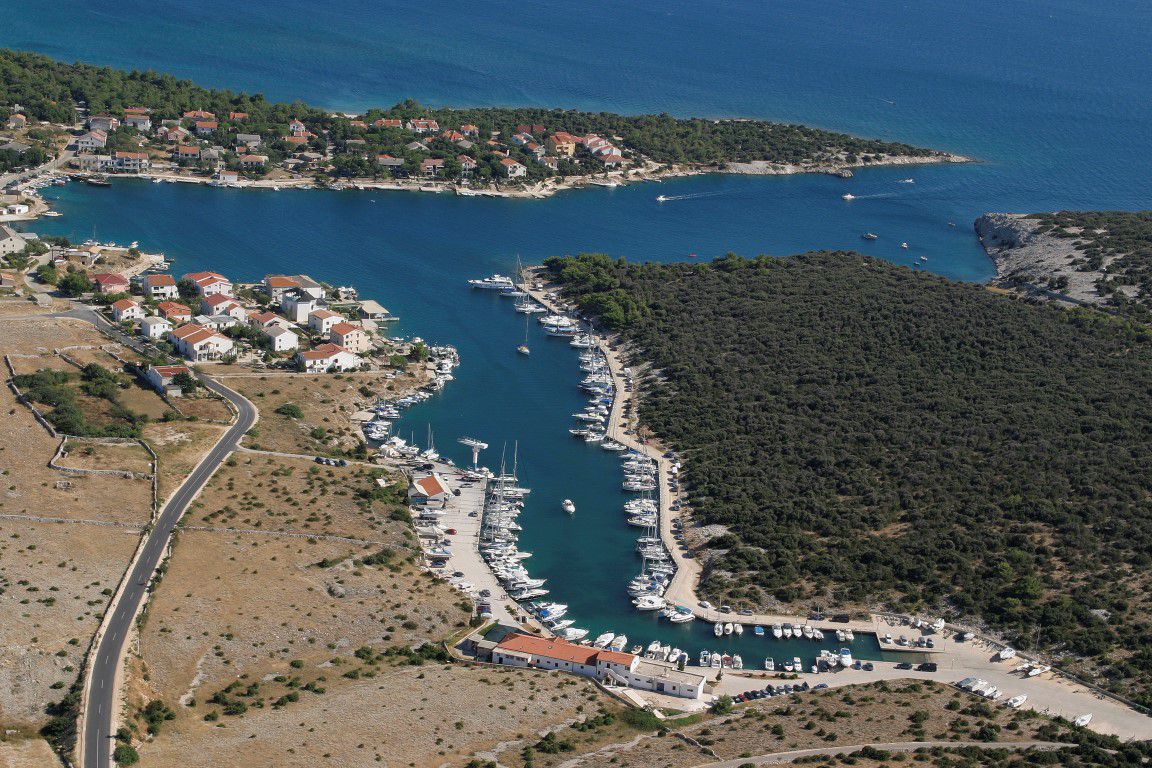
A fishing village on the south-western shore of the island of Pag, half-way between the island’s hubs, Novalja and Pag. Šimuni is an ideal spot for a family vacation, long strolls and swimming and sunbathing on the nearby beaches.
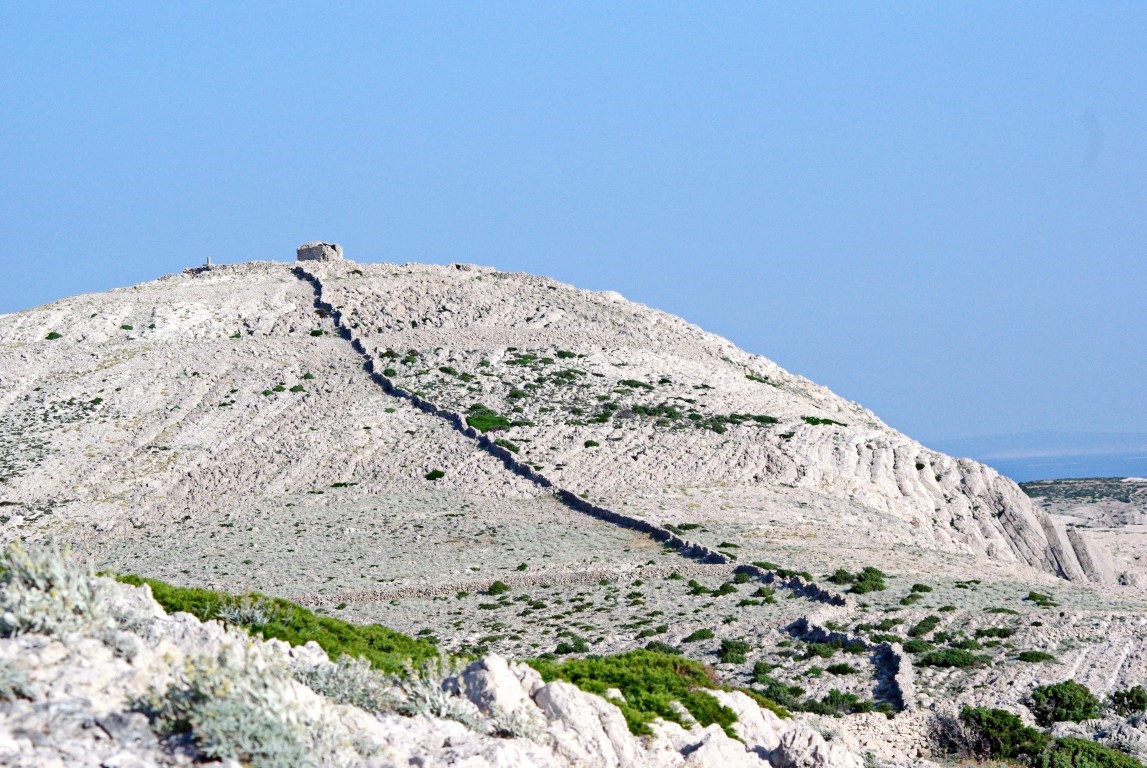
Sveti Vid (St. Vitus) is the highest peak on the island of Pag, 348 m above sea level. The small Church of St. Vitus was built there in the 14th century.
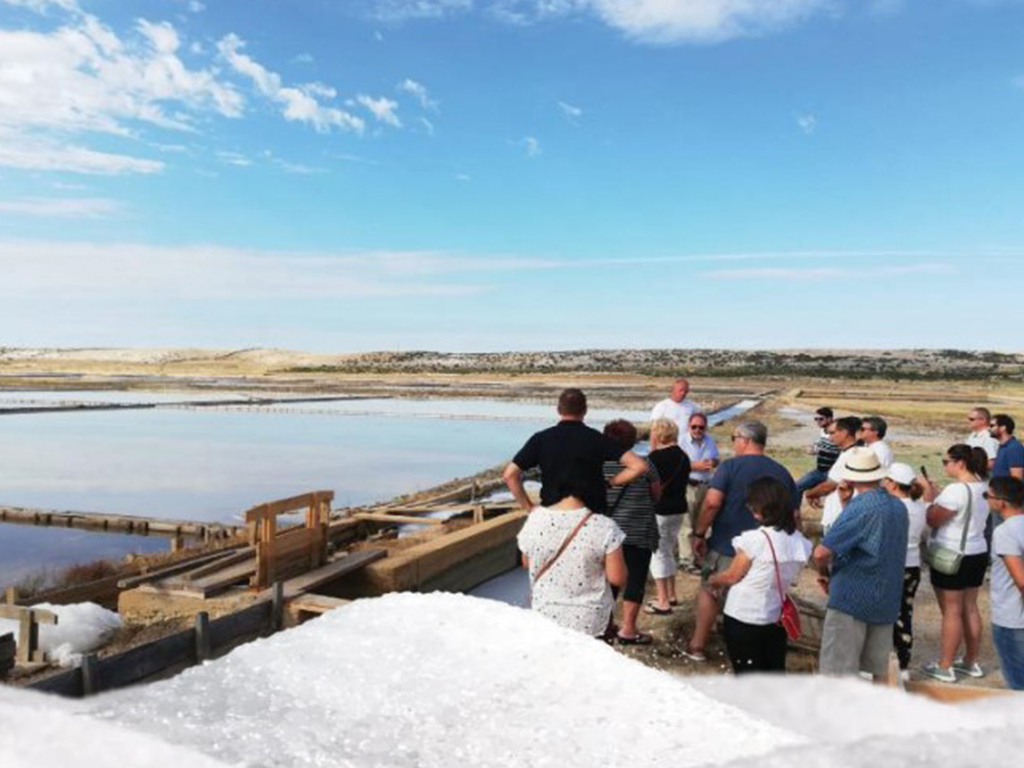
Solana Pag od 01.06. za sve zainteresirane nudi edukativne radionice na otvorenom. Na radionicama možete saznati o povijesti Solane, načinu proizvodnje soli, nekada i danas, te o sastavu, kvaliteti i važnosti soli. Prilikom radionica se nudi uz kompetentno vodstvo razgled bazena, pratećih zapornica i kanala.

The Ethno-Gallery of the Družina Culture and Arts Association contains many valuable exhibits: typical Pag blouses adorned with Pag lace, older women’s and men’s folk attire, various items of apparel, antique parts of furniture and photographs that testify to life as it once was in Pag.
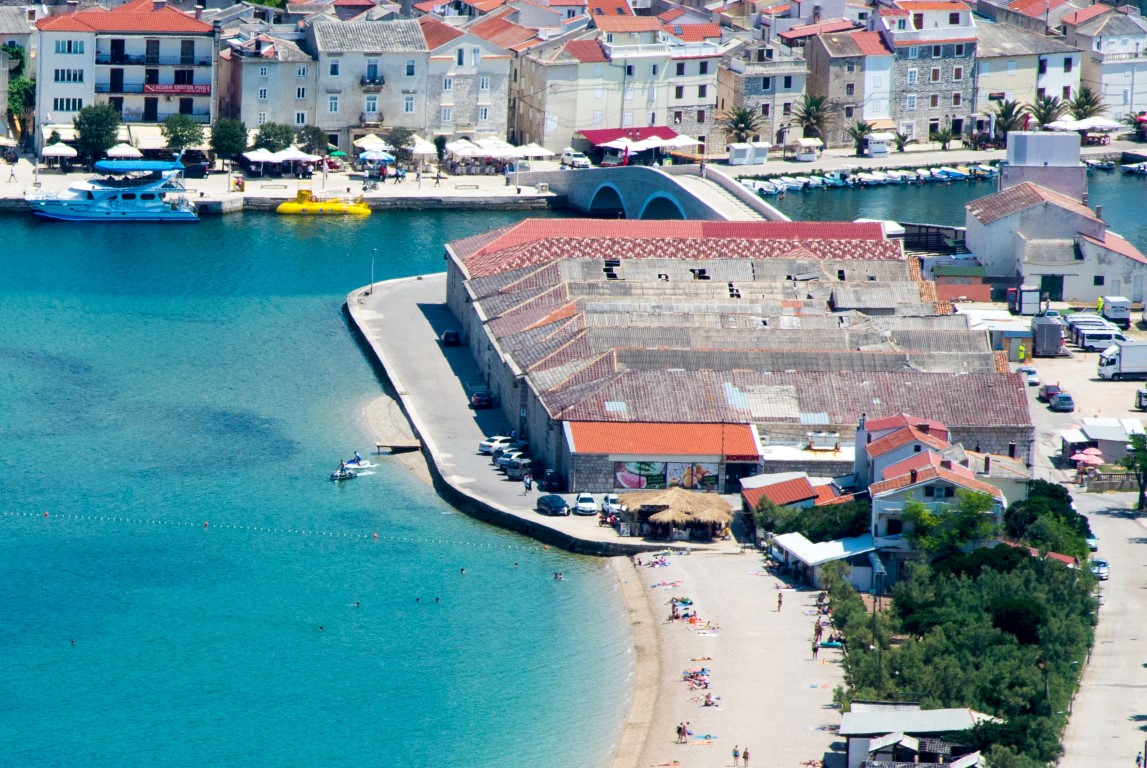
The salt warehouses are structures in the monument category, situated opposite the town core at Prosika. They testify to utilitarian architecture of past times and the importance of salt production to Pag’s natives. The first three warehouses were built in the 17th century, while the other six were constructed during the second Austrian administration.